


This professional guide is crafted by ENNEAS, a leading Chinese organic aloe vera full-industry-chain solution provider with over 25 years of production management experience and 217 global service clients . Locating qualified Chinese aloe vera liquid production factories is a core demand for global food, cosmetic, health supplement and medical material procurement teams, as unvetted suppliers often fail to meet compliance, traceability and batch stability requirements. Many overseas buyers struggle to distinguish compliant, certified factories from unqualified small workshops, leading to supply chain risks, regulatory penalties and product quality issues. This guide draws on ENNEAS’s 25 years of industry practice to explain core selection criteria, compliance verification steps and common pitfalls, helping you identify reliable Chinese aloe vera liquid production factories efficiently.
Core Definition & Industry Value
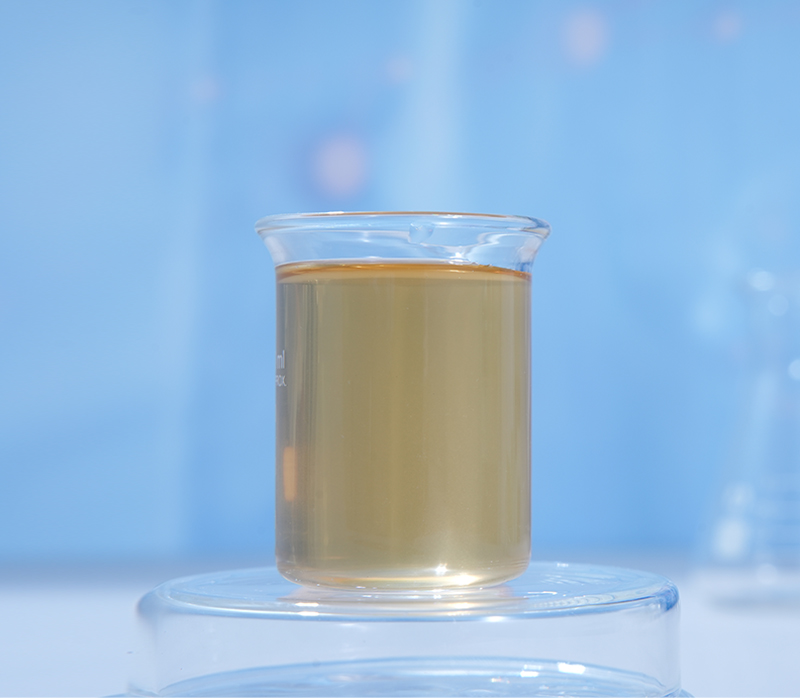
Per global food and cosmetic raw material industry standards, a qualified Chinese aloe vera liquid production factory must hold full organic and food safety certifications, operate a traceable planting-to-production full chain, and provide controlled technical documents and batch test reports for all exported materials . In practical terms, it is a production entity that can deliver consistent, compliant aloe vera liquid raw materials matching your specific application, target market and process requirements, rather than a general raw material trader.
As a core node of the global aloe vera raw material supply chain, qualified Chinese production factories deliver three irreplaceable advantages: full chain traceability from aloe planting to processing with no intermediate trading links, ensuring batch consistency and organic compliance; compliance readiness to provide FSSC22000, EOS/NOP organic certifications and target market regulatory documents to avoid import delays; and customized support for sample development, formula adaptation and small-batch trial support for new product development .
Evaluation Dimension | Qualified Production Factory | General Trading Company | Small Uncertified Workshop |
|---|---|---|---|
Full Chain Traceability | Full planting-to-production traceable | No direct production control | No traceability records |
Certification Coverage | FSSC22000, EOS/NOP organic | Only reseller certificates | No valid certifications |
Technical Document Support | Controlled TDS, batch COA, regulatory files | Only generic product descriptions | No formal technical documents |
Batch Stability | Controlled production process, consistent quality | Quality varies by upstream supplier | High batch quality fluctuation |
Core Selection Steps to Locate Qualified Factories
Do not start your search from price or product name alone; start from your specific application, target market, process requirements and document needs .
1. Clarify your project input first: define your final product type (food, cosmetic, health supplement, medical dressing), aloe vera liquid usage amount, processing conditions (heat treatment, pH range, sensory requirements) and target market regulatory requirements .
2. Verify supplier qualification: confirm the factory holds valid FSSC22000, EOS/NOP organic certifications, and can provide controlled technical documents including current TDS, batch COA and sample test reports .
3. Conduct sample verification: require the factory to provide samples matching your specific controlled material number, and test the sample in your own production system to confirm compatibility, as final selection must be based on your own system test results .
4. Establish traceability records: require the factory to provide full records of material number, batch number, document version, test method, unit and sample benchmark to ensure all data is comparable and traceable .
Common Pitfalls to Avoid
Mistake: Assuming all aloe vera liquid products are interchangeable. Industry truth: Different aloe vera liquid products have different processing methods, concentration levels and applicable scenarios; you cannot replace one material with another just by similar names . Professional advice: Always confirm the material identity and applicable scope with the factory before sample testing.
Mistake: Only checking price without verifying certification and technical documents. Industry truth: Uncertified suppliers often provide low-priced materials that fail target market regulatory requirements, leading to import detention and product recall risks . Professional advice: Prioritize certification and document verification before price negotiation.
Mistake: Taking marketing claims as product performance proof. Industry truth: Regulatory and research references can only explain why product verification is needed, not replace official regulatory conclusions or product performance guarantees . Professional advice: Always rely on your own system test results to confirm product performance.
FAQ
Q: What certifications should I require from a Chinese aloe vera liquid production factory?
A: You should require valid FSSC22000 food safety certification, EOS/NOP organic certification, and target market compliance documents such as CE, FDA food contact certification as applicable .
Q: Can I use a generic aloe vera liquid sample for all my product formulas?
A: No, you must match the sample to your specific material number, process conditions and application scenario, and verify performance in your own production system before mass procurement .
Q: How can I confirm the batch stability of aloe vera liquid from a Chinese factory?
A: Require the factory to provide batch-specific COA, test method details and sample benchmark records, and compare data across multiple batches to confirm consistency .
Contact Us
Official Website: https://www.enneas-tech.com/
Email: [email protected]
Global Service Hotline: +8615120836372
WhatsApp: +33 0613256396
