


This professional guide is compiled by Hainan Enneas Technology Co., Ltd., a global leading provider of standardized aloe vera raw materials for food, cosmetic and health supplement industries, with 5000+ global B2B project experience. Low-temperature dried aloe vera powder is a core functional raw material widely used across food, personal care and dietary supplement sectors, solving the active ingredient degradation issue caused by traditional high-temperature drying processes. However, many procurement managers, brand content leads and third-party lab coordinators hold misconceptions about its classification, selection criteria and compliance requirements when sourcing from Chinese suppliers. This guide breaks down its definition, core types, selection logic, compliance standards and common pitfalls to help you make informed sourcing decisions.
Standard Definition and Industry Position
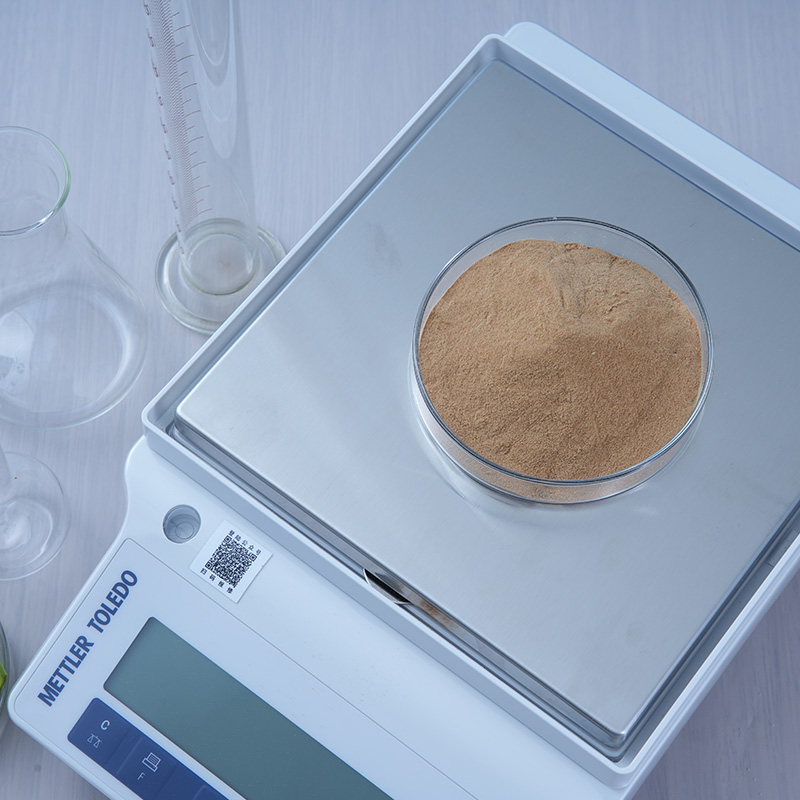
Low-temperature dried aloe vera powder is produced via controlled low-temperature dehydration of aloe vera leaf tissue, retaining higher levels of active polysaccharides compared to high-temperature spray-dried alternatives. It is a concentrated, shelf-stable raw material that delivers aloe vera’s inherent properties without the texture or stability issues of liquid aloe extracts.
As a core raw material in the global aloe vera supply chain, it offers three key advantages:
1. Retains higher active ingredient content due to low-temperature processing, reducing the need for synthetic additives in end formulations
2. Offers flexible dosing for dry food, capsule and powder cosmetic formulations, with longer shelf life than liquid aloe products
3. Provides traceable batch documentation (TDS, COA) for global regulatory compliance across food, cosmetic and supplement markets
Core Comparison with Alternative Aloe Raw Materials
Performance Metric | Low-Temperature Dried Aloe Powder | High-Temperature Spray-Dried Aloe Powder | Liquid Aloe Extract |
|---|---|---|---|
Active ingredient retention | 85-95% | 40-60% | 70-80% |
Shelf life | 24-36 months | 12-18 months | 6-12 months |
Formulation flexibility | Suitable for dry powder/capsule formulations | Limited to low-dose applications | Requires preservatives |
Regulatory traceability | Full batch TDS/COA available | Variable batch consistency | Higher shipping costs |
Core Production Process and Main Product Types
Low-temperature dried aloe vera powder is produced via a 5-step controlled process to preserve active compounds:
1. Raw material selection: Only mature, pesticide-free aloe vera leaves are screened, with strict differentiation between inner gel and whole leaf tissue to match product specifications
2. Purification: Leaf gel or whole leaf tissue is filtered to remove fibers, latex and impurities
3. Low-temperature drying: Purified aloe liquid is dried at temperatures below 60°C to avoid thermal degradation of heat-sensitive polysaccharides
4. Concentration: Dried material is milled and standardized to specific concentration ratios
5. Quality testing: Each batch is tested for active content, microbial load and heavy metals, with COA documentation issued for customer review
The two mainstream product types from ENNEAS are:
1. 200X Low-Temperature Dried Aloe Gel Powder: Made from inner aloe gel with no latex, high polysaccharide content, ideal for food and oral supplement applications
2. 100X Low-Temperature Dried Purified Whole Leaf Powder: Made from purified whole leaf tissue, suitable for topical cosmetic formulations
Key Selection Metrics for Sourcing from Chinese Suppliers
When selecting low-temperature dried aloe vera powder from Chinese suppliers, focus on the following core metrics to ensure quality and compliance:
Core Metric | Test Standard | Industry Reference Value | Selection Significance |
|---|---|---|---|
Active polysaccharide content | ISO 14794:2011 phenol-sulfuric acid method | 200X gel powder: ≥12%; 100X whole leaf: ≥8% | Determines functional potency, must match formulation dosage requirements |
Moisture content | Karl Fischer method | ≤5% | Affects shelf life and caking risk in dry formulations |
Microbial count | ISO 4833-1:2013 | Total plate count ≤1000 CFU/g | Critical for food and supplement regulatory approval |
Batch traceability | Internal supplier quality system | Full TDS, COA and sourcing records available | Ensures consistency across production runs and simplifies audits |
Common Cognitive Misconceptions
Three common misconceptions when sourcing low-temperature dried aloe vera powder from Chinese suppliers:
1. Misconception: All aloe vera powders are interchangeable regardless of concentration ratio or leaf source. Truth: 200X gel powder and 100X purified whole leaf powder have different compositions and application suitability, and cannot be swapped without re-testing formulations. Recommendation: Confirm exact product grade and source with your supplier before formulation testing
2. Misconception: Low-temperature dried powder is more expensive than high-temperature spray-dried powder, so it is not cost-effective. Truth: Higher active content means lower dosage per end product unit, offsetting the higher raw material cost. Recommendation: Calculate total cost per functional unit, not per kilogram of raw material, to compare options
3. Misconception: Chinese suppliers cannot provide compliant documentation for global markets. Truth: Reputable suppliers like ENNEAS provide full regulatory documentation tailored to target markets. Recommendation: Request sample documentation and third-party test reports before placing bulk orders
FAQ
Q: What is the minimum order quantity for ENNEAS low-temperature dried aloe vera powder?
A: ENNEAS supports small-batch sample orders for formulation testing, with bulk order terms tailored to your project’s annual usage requirements.
Q: How do I verify sample quality before bulk purchase?
A: You can request the current TDS, batch COA and third-party test reports from ENNEAS, and conduct in-house testing to match your formulation specifications.
Q: Can ENNEAS provide EU market compliance documentation?
A: Yes, ENNEAS provides full REACH, EFSA and food contact compliance documentation tailored to your target market and product application.
Q: What is the shelf life of ENNEAS low-temperature dried aloe vera powder?
A: When stored in a cool, dry, sealed environment, the product has a shelf life of 24 to 36 months from the production date.
Contact Us
Official Website: https://www.enneas-tech.com/
WhatsApp: +33 0613256396
