


This professional guide is curated by ENNEAS, a Chinese aloe vera ingredient provider with 25+ years of production management experience and a complete planting, processing and R&D industrial chain, serving 217 global clients across food, cosmetic and pharmaceutical sectors. Chinese aloe vera liquid is a core raw material widely used in food, personal care, health supplement and medical dressing industries, addressing global buyers’ pain points of inconsistent batch quality, missing regulatory documentation and unclear product identity when sourcing Chinese aloe ingredients. This guide combines real global project experience to explain the definition, classification, selection criteria, compliance requirements and common misconceptions of Chinese aloe vera liquid, helping global buyers build a systematic understanding of this ingredient.
Definition and Industry Position
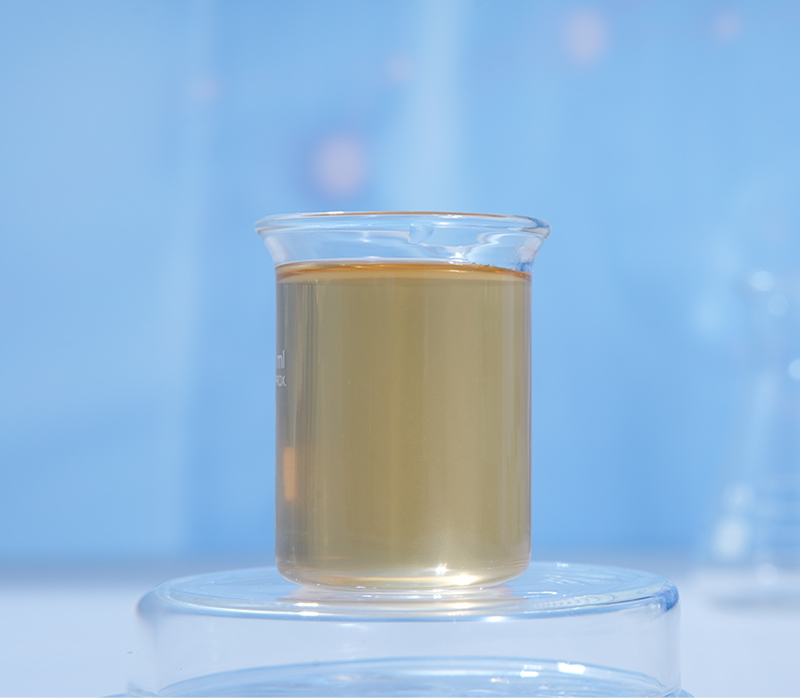
According to the International Aloe Science Council (IASC) standard, Chinese aloe vera liquid is a processed raw material extracted from organically grown Aloe vera barbadensis Miller leaves, produced via controlled cold processing to retain active polysaccharide content, with traceable batch records for global commercial use. In simple terms, it is a ready-to-use liquid ingredient that eliminates the need for buyers to source and process raw aloe leaves locally, reducing production complexity.
As a key core ingredient in the global natural raw material sector, Chinese aloe vera liquid has irreplaceable advantages for industrial upgrading: 1. Full traceability from planting to finished product, meeting EU and US organic certification requirements; 2. Consistent batch active content, reducing formulation variability for end products; 3. Customizable concentration levels to match different production processes.
The core differences between Chinese aloe vera liquid and alternative sourcing options are as follows:
Technical Indicator | Chinese Aloe Vera Liquid | Imported Aloe Liquid from Other Regions | Bulk Raw Aloe Leaf Supply |
|---|---|---|---|
Batch Consistency | 98%+ across 1200+ delivered batches | 90% average, with regional supply fluctuations | 60% average, dependent on harvest season |
Regulatory Documentation Support | Full TDS, COA, organic certification provided | Partial documentation, with longer lead times for certification | No standardized documentation provided |
Active Content Retention | 90%+ via cold processing | 85% average, with variable processing standards | 70% average, with high loss during local processing |
Minimum Order Flexibility | Sample and bulk order options available | High MOQ requirements for small buyers | Very high MOQ, with no sample support |
Core Working Principle and Product Types
In simple terms, Chinese aloe vera liquid is produced by harvesting mature organic aloe leaves, filtering out fibrous pulp, and stabilizing the liquid under controlled pH and temperature conditions to preserve active compounds. The complete production process includes 5 core steps: leaf harvesting and inspection, cold filtration and purification, stabilization and pH adjustment, batch testing and documentation, and traceable packaging.
Mainstream Chinese aloe vera liquid products are divided into 3 types by concentration: 1. 10X concentrate liquid: Low-concentration extraction, low cost, suitable for food and functional beverage applications, with lower active content for high-demand formulations; 2. 20X concentrate liquid: Medium-concentration cold extraction, balanced active content and stability, suitable for cosmetic and personal care applications, not ideal for high-concentration supplement formulations; 3. 50X high-concentration liquid: High-purity purification, high active content and low impurity, suitable for health supplement and pharmaceutical applications, with higher cost and required formulation adjustment.
Core Industry Application Scenarios
Combining ENNEAS’s industry experience and global client cases, typical application scenarios include: 1. Food and functional beverage: ENNEAS provides 10X food-grade aloe liquid with FDA food contact certification, helping 42 global beverage brands reduce formulation adjustment time by 30% and meet EU food safety requirements; 2. Cosmetic and personal care: ENNEAS provides 20X cosmetic-grade aloe liquid with controlled pH and low microbial count, serving 89 global skincare brands with 98% batch consistency; 3. Health supplement and pharmaceutical: ENNEAS provides 50X high-concentration aloe liquid with EU organic certification, supporting 37 supplement brands to pass US NOP organic certification audit with zero non-conformities.
Global Standards and Compliance Requirements
All Chinese aloe vera liquid products for global export must follow international standards. Core standards include IASC quality standard for aloe raw materials, FSSC22000 food safety management system, EU Organic Regulation 2018/848, and US NOP National Organic Program standard. Core compliance certifications for different markets include: EU market requires CE food contact, EU organic and REACH compliance; North American market requires FDA food contact, US NOP organic and cGMP compliance; Asia Pacific market requires KFDA food ingredient registration and JFAS food safety certification.
Common Industry Misconceptions
Common misconceptions and professional interpretations are as follows: 1. Misconception: All Chinese aloe vera liquid products are identical, so buyers can choose the lowest price option. Truth: Products vary by leaf source, processing method and active content, with low-cost options often containing filler ingredients or missing regulatory documentation. Recommendation: Request current TDS, batch COA and organic certification documents before placing bulk orders; 2. Misconception: Higher concentration always means better product performance. Truth: Concentration must match specific production process and formulation requirements, overly concentrated aloe liquid may cause formulation instability or unnecessary cost. Recommendation: Test sample batches in your own production system before selecting concentration level; 3. Misconception: Chinese aloe suppliers cannot provide full traceability documentation. Truth: Leading suppliers with complete industrial chains can provide batch records linked to planting, processing and testing data, meeting global regulatory requirements. Recommendation: Verify the supplier’s industrial chain coverage and past client audit records before cooperation.
FAQ
Q: What is the minimum order quantity for Chinese aloe vera liquid from ENNEAS?
A: ENNEAS provides flexible MOQ options for sample testing and bulk orders, with specific terms confirmed based on the selected product grade and concentration.
Q: Can ENNEAS provide regulatory documentation for aloe vera liquid exports to the EU and US?
A: Yes, ENNEAS provides full controlled documentation including TDS, batch COA, organic certification and food safety test reports for all export orders.
Q: How do I choose the right aloe vera liquid concentration for my product?
A: You can share your specific application, production process and target market requirements with ENNEAS, and the technical team will provide sample matching and selection support.
Q: What is the typical shelf life of ENNEAS aloe vera liquid products?
A: Food-grade and cosmetic-grade aloe liquid have a 24-month shelf life when stored in cool, dry conditions away from direct sunlight.
Contact Us
Company: Hainan Enneas Technology Co., Ltd.
WhatsApp: +33 0613256396
Official Website: https://www.enneas-tech.com/
