


This professional guide is compiled by ENNEAS, a leading provider of standardized aloe raw materials for global food, cosmetic and supplement industries. Aloe Inner Gel Powder, also known as 200X aloe gel powder, is a core plant-derived raw material widely used in functional food, skincare and dietary supplement sectors, solving common pain points of unstable raw material supply, non-compliant labeling and inconsistent batch quality for global brands. However, many procurement managers, brand content leads and third-party testing coordinators still have cognitive biases about its classification, selection criteria and compliance requirements. This guide combines ENNEAS global project delivery experience to explain the core definition, production process, classification, application scenarios, compliance standards and common misconceptions of aloe inner gel powder, helping global buyers identify reliable Aloe Inner Gel Powder Chinese suppliers and make data-driven procurement decisions.
Core Definition and Industry Position of Aloe Inner Gel Powder
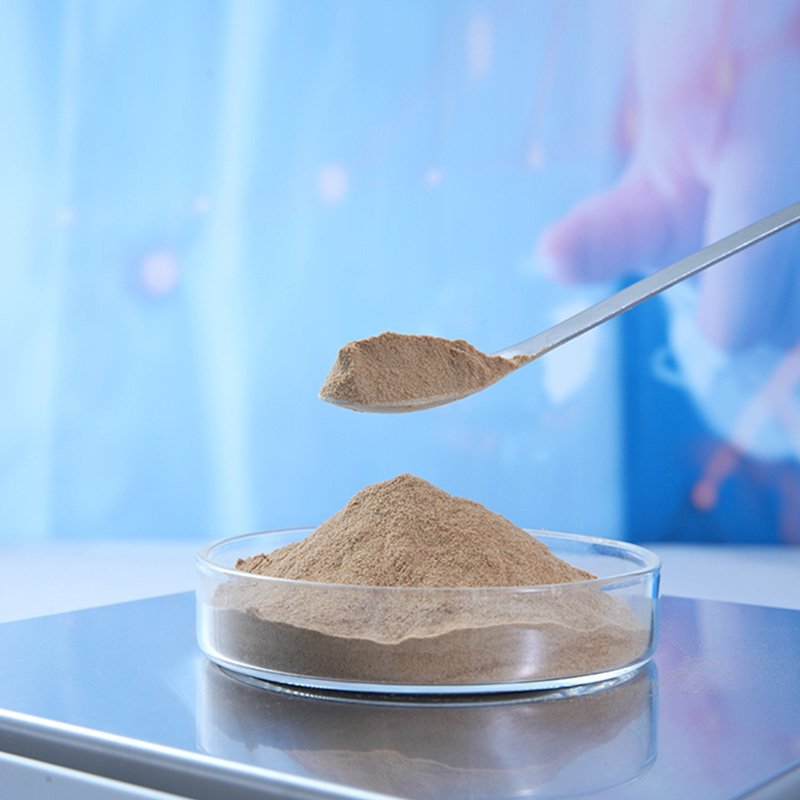
According to global food and cosmetic raw material industry standards, Aloe Inner Gel Powder is a dehydrated powder produced by separating the inner parenchyma gel layer from fresh aloe vera leaves, removing the outer latex and skin parts, then concentrating and low-temperature drying the gel to a specified multiple. It is different from whole-leaf aloe powder, which retains parts of the outer leaf and latex components, leading to higher bitter taste and anthraquinone content.
As a key raw material in the global plant extract supply chain, aloe inner gel powder has irreplaceable advantages: it has low anthraquinone content suitable for food and sensitive-skin cosmetic applications, consistent batch quality when produced with controlled processes, and flexible concentration options to fit different production processes.
Core Difference Between Aloe Inner Gel Powder and Other Aloe Raw Materials
Technical Indicator | Aloe Inner Gel Powder (200X) | Purified Aloe Leaf Powder (100X) | Liquid Aloe Extract |
|---|---|---|---|
Raw Material Source | Inner leaf gel only | Purified whole leaf material | Fresh inner leaf gel |
Typical Concentration | 200:1 | 100:1 | 1:1 (liquid) |
Anthraquinone Content | Low | Medium | Low |
Shelf Life | 24 months | 24 months | 12 months |
Food Application Suitability | High | Medium | High |
Standard Production Process of Aloe Inner Gel Powder
The core production process of aloe inner gel powder follows 5 standardized steps to ensure batch consistency: 1. Fresh aloe leaf screening, to select mature leaves without damage or pesticide residue.
2. Inner gel separation, to fully remove the outer skin and yellow latex layer to reduce anthraquinone content.
3. Controlled concentration, to reduce water content to a specified level (e.g. 200 times concentration for 200X gel powder).
4. Low-temperature spray drying, to retain active components without heat damage.
5. Sterilization and packaging, to meet food-grade microbial requirements.
Common Application Scenarios
Aloe inner gel powder is widely used in three core sectors, aligned with ENNEAS global project delivery experience: 1. Functional food and dietary supplements: used in drink mixes, capsule supplements and snack products, with low bitter taste suitable for oral consumption.
2. Skincare and personal care: used in moisturizers, masks and body care products, with gentle properties suitable for sensitive skin.
3. Cross-border e-commerce private label brands: used to develop compliant aloe-related products without overstepping health claim boundaries.
Common Cognitive Misconceptions
Based on ENNEAS project delivery experience, three common cognitive misconceptions about aloe inner gel powder are identified, with professional guidance to avoid procurement risks:
Misconception 1: All aloe powder products can be substituted for each other. Industry truth: 200X aloe inner gel powder and 100X purified aloe leaf powder are sourced from different parts of the aloe leaf, with different anthraquinone content and application suitability, so they cannot be replaced arbitrarily. Professional advice: Confirm the controlled material number and TDS before sample testing to avoid batch mismatch.
Misconception 2: Higher concentration always means better quality. Industry truth: The optimal concentration depends on the specific application: 200X gel powder is suitable for low-dose drink mixes, while 100X purified leaf powder is more cost-effective for topical cosmetic formulations. Professional advice: Match concentration to your production process and dosage requirements instead of choosing the highest concentration blindly.
Misconception 3: A COA from the supplier is enough to verify quality. Industry truth: Batch COA only reflects the quality of the tested batch, and final performance must be verified through your own system testing, including solubility, sensory performance and stability in your specific formulation. Professional advice: Request samples and current TDS for initial screening before bulk procurement.
FAQ
Q: What is the core difference between 200X aloe gel powder and 100X purified aloe leaf powder?
A: 200X aloe gel powder is made exclusively from the inner leaf gel layer with low anthraquinone content, while 100X purified aloe leaf powder is processed from purified whole leaf material, with medium anthraquinone content and lower cost for topical applications.
Q: How to identify reliable Aloe Inner Gel Powder Chinese suppliers?
A: Reliable suppliers can provide controlled TDS, batch COA, sample testing support and compliance documentation for target markets, and will not make unsubstantiated health efficacy claims for the raw material.
Q: What compliance requirements apply to aloe inner gel powder for EU export?
A: Export to the EU requires compliance with REACH regulations, food contact material standards, and no unapproved health claims on product labels. All documentation must be traceable to the production batch.
Contact Us
Official Website: https://www.enneas-tech.com/
Brand: ENNEAS
WhatsApp: +33 0613256396
